Facebook
 X
X
 Pinterest
 Copy Link
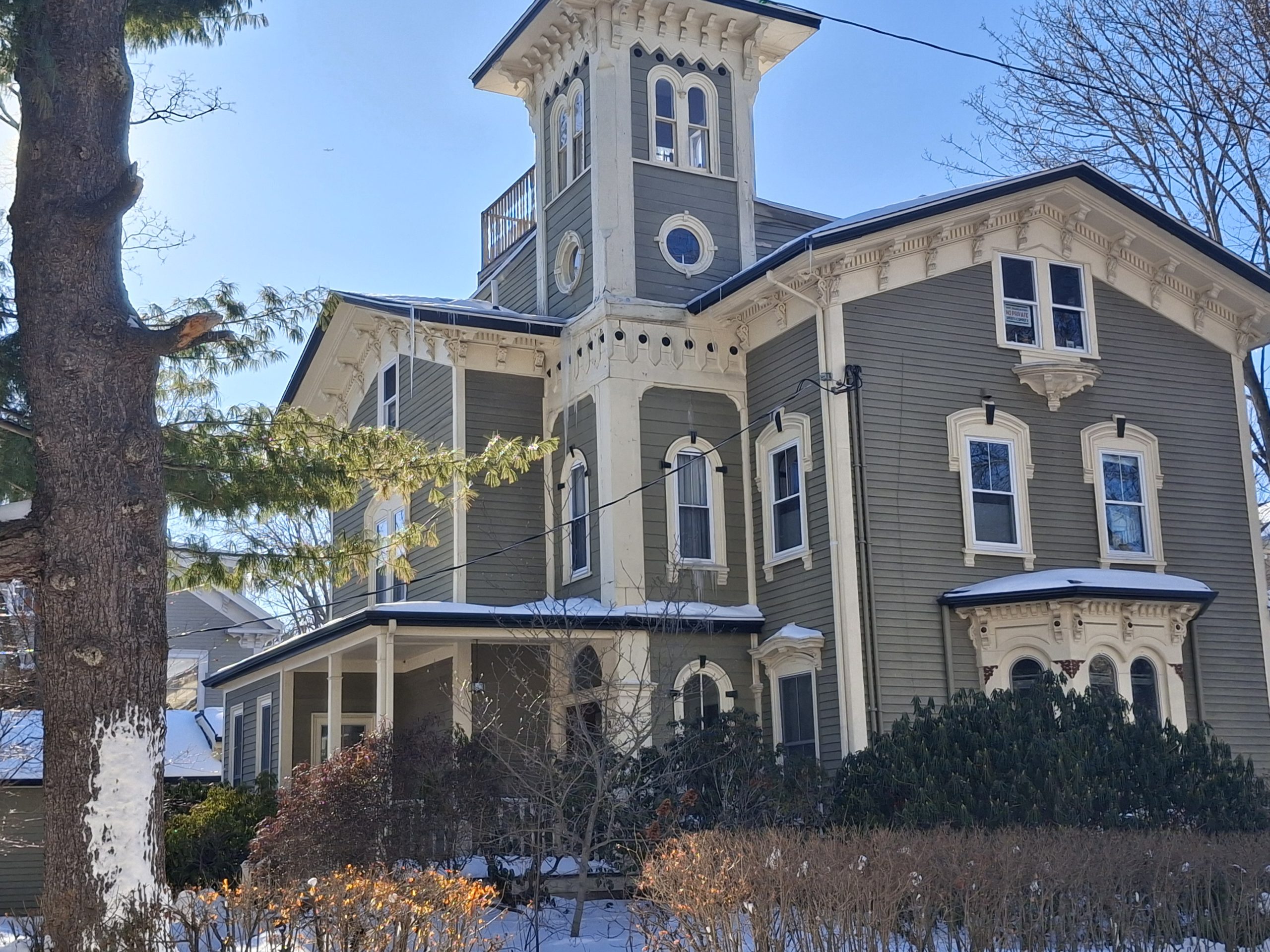
JP Seller Tip: Micro‑Markets Beat Median Price Every Time
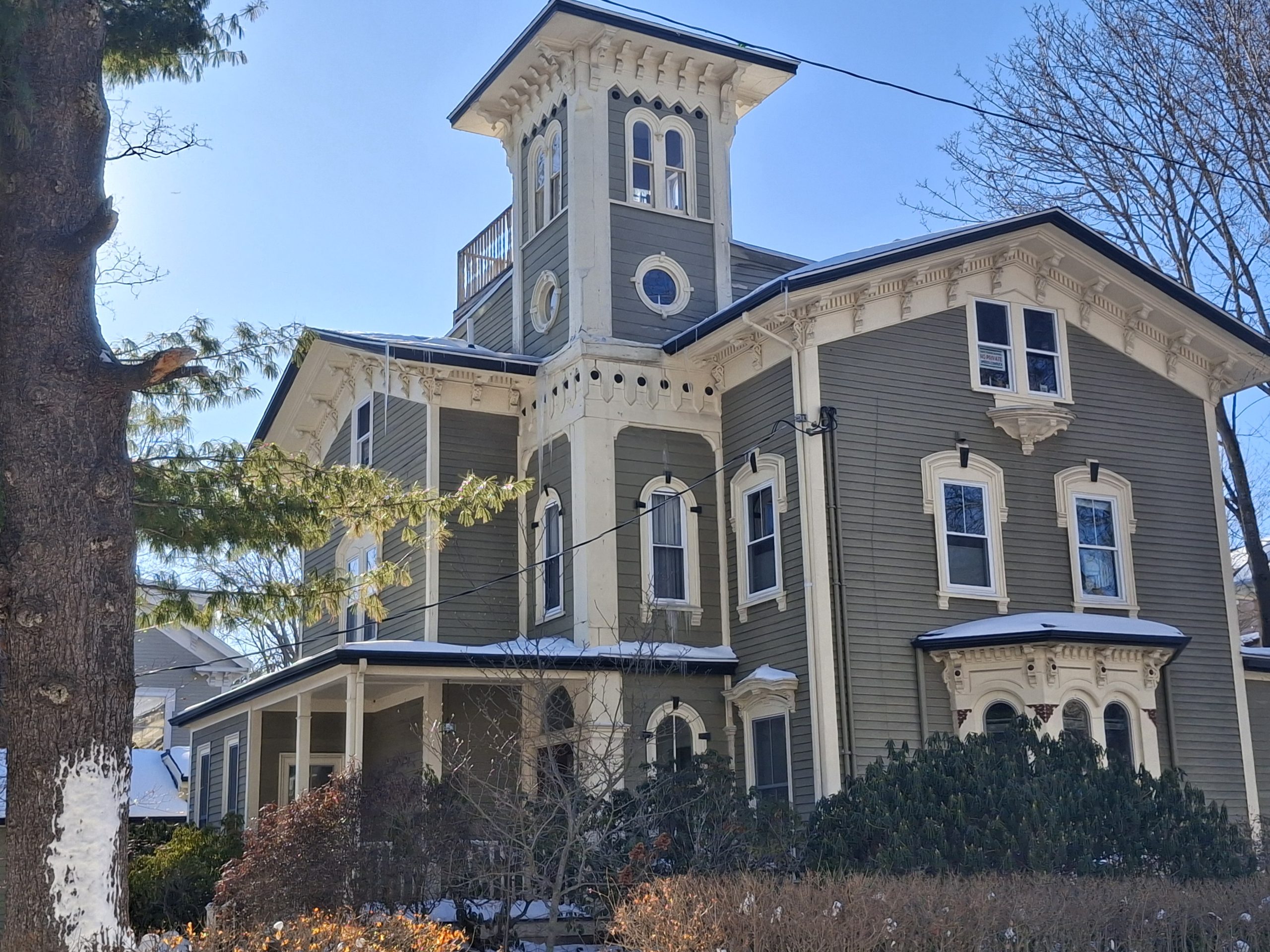
Single Family home in Jamaica Plain
If you’re a homeowner in Jamaica Plain thinking about selling in 2026, here’s one truth that can save—and sometimes earn—you tens of thousands of dollars: Your home’s value has almost nothing to do with the “median JP sale price.” It has a great deal to do with Jamaica Plain micro‑market home pricing.
The real story is told through micro‑markets—the hyper‑local pockets within JP where buyer demand, walkability, housing style, and neighborhood vibe shift dramatically from one street to the next. When you price using micro‑market insight instead of broad zip‑code data, you position your home to attract the right buyers and generate stronger offers.
Here’s why micro‑markets matter so much—and how they influence your bottom line.
1. Jamaica Plain isn’t one market—it’s many.
Walkability near Centre Street, proximity to Jamaica Pond, the serenity of Moss Hill, the urban‑convenience feel of Stonybrook, the historic charm near Eliot Street—each micro‑area attracts a different buyer profile, and those buyers value different things.
(Learn more about buyer walkability preferences from Walk Score: https://www.walkscore.com)
For example:
- A condo steps from Green Street attracts buyers who prioritize transit access, lifestyle, and amenities.
- A single‑family home near the Arboretum draws families who value quiet streets, parking, and yard space.
- A Victorian near Pondside may command a premium simply because of style, rarity, and neighborhood feel. (See how architectural styles impact buyer demand: https://www.nar.realtor/research-and-statistics)
If you compare these properties using broad median data, you’ll end up with a misleading price—and possibly a slower sale.
2. Style, size, and layout matter far more than “JP averages.”
Two homes can sit just a few blocks apart but perform entirely differently depending on:
- Architectural character (classic vs. contemporary)
- Parking availability (a major value driver in JP)
- Outdoor space (decks, patios, yards)
- Renovation level
- Unit layout and natural light
Most automated home valuations ignore these nuances—which is why sellers relying on averages often misprice their home by tens of thousands.
3. Competition varies dramatically by micro‑market.
A two‑bed condo near Forest Hills may have ten competing listings in a given month, while a similar property near the Pond might have none.
Low competition can mean:
- Higher buyer urgency
- More showing traffic
- Multiple‑offer potential
- Stronger terms
High competition may require smarter pricing and standout presentation to rise above the crowd.
Micro‑market analysis accounts for these supply‑and‑demand shifts. Median price does not.
4. The right pricing strategy requires hyper‑local accuracy.
When I evaluate a JP home, I look at:
- Sales within a true micro‑market (same pocket, style, and buyer pool)
- How buyers behaved at recent open houses
- List‑to‑sale price ratios by pocket
- Days on market for similar properties
- Buyer sentiment from current showings
This is the kind of analysis that helps sellers price with confidence—and often leads to quicker, stronger outcomes.
5. The bottom line: a precise price beats a popular number.
Median price is a broad indicator for economists.
Micro‑market pricing is a value driver for sellers.
When you sell your JP home, you deserve a strategy built on real, local insight—not vague averages.
Thank you for visiting my website and exploring around. If you need any assistance with real estate in the Boston Metro-West area and beyond, I am here to help.
If you would like more information about selling your home – click here
If you would like to learn about buying a home – click here
To start your home search – click here
Get Started with Ray Stockwell Today!
Want a micro‑market breakdown for your street?
DM me “JP” or send your street name (no address needed). I’ll gladly share a quick, accurate look at how your specific pocket of Jamaica Plain is performing—and what buyers are paying most for right now.