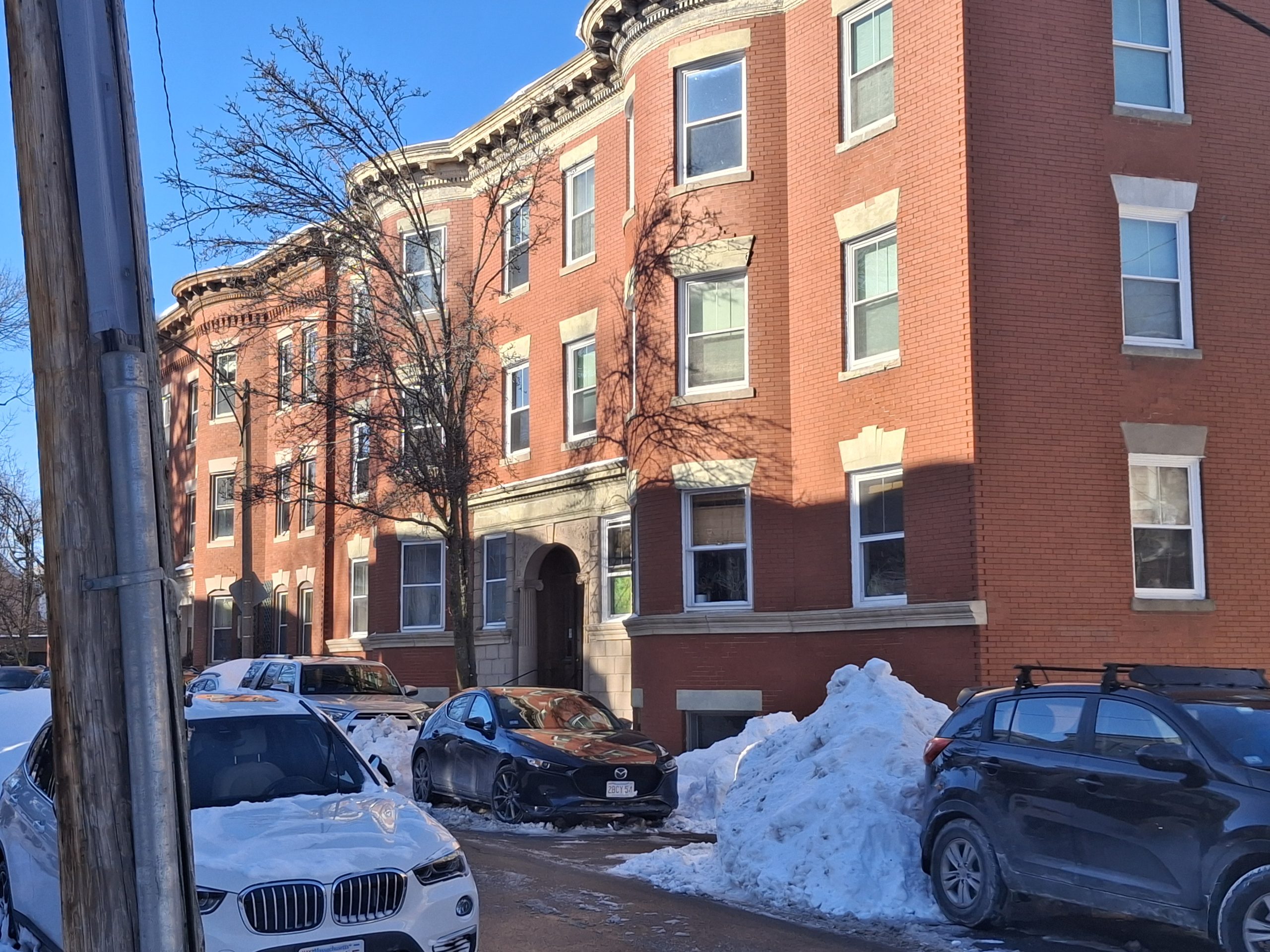
Home BuyersHome Buying TipsHome SellersHome Selling AdviceJamaica Plain April 3, 2026

Why Waiting for the Perfect Time Rarely Works in Real Estate

Why Waiting for the Perfect Time Rarely Works in Real Estate

And What Actually Leads to Better Decisions for Boston Homeowners

For many homeowners in Newton, Jamaica Plain, and Brookline — and throughout Boston’s Metro‑West area — the idea of selling isn’t urgent, but it is present.

The kids are grown. The house may feel larger than necessary. Maintenance takes more energy than it used to. Still, many people pause for the same reason:

“We’re waiting for the perfect time.”

It’s an understandable instinct. Real estate is a major decision, and no one wants to get it wrong. But after years of working with Boston‑area homeowners — especially empty nesters — one pattern shows up again and again:

Waiting for the perfect time often delays good decisions more than it improves them.


The Myth of the “Perfect Time”

The idea of perfect timing suggests there will be a moment when:

  • The market feels completely predictable
  • The decision feels emotionally easy
  • The upside feels obvious and risk‑free

In reality, Boston real estate has always been dynamic and neighborhood‑specific. Newton behaves differently than Brookline. Jamaica Plain moves differently from either. And life rarely lines up neatly with market cycles.

Most homeowners don’t look back and wish they waited two more quarters. They reflect on whether the move supported the life they were actually living at the time.


Why People Wait (And What’s Really Behind It)

In conversations with empty nesters, waiting usually isn’t about numbers alone. It’s often about:

  • Not wanting to feel rushed
  • Uncertainty about next steps
  • Emotional attachment to a long‑time home
  • Wanting reassurance that the decision is “right”

These are human reasons — not financial mistakes. But waiting without intention can quietly become its own decision, sometimes keeping people in homes that no longer serve them well.


What Actually Leads to Better Outcomes

In Boston’s Metro‑West market, the most successful moves tend to come from clarity, not timing.

Homeowners who feel good about their decisions usually focus on:

  • Lifestyle fit: Does this home still match how you live today?
  • Energy and upkeep: Does maintaining this property feel manageable — or draining?
  • Flexibility: Would a different home free up time, capital, or peace of mind?

When those questions are clear, market conditions become context — not the driver.


Why This Matters for Empty Nesters

Downsizing isn’t about giving something up. For many homeowners, it’s about trading space for freedom — less maintenance, easier layouts, or walkable locations closer to daily needs.

Boston neighborhoods like Newton, Jamaica Plain, and Brookline continue to attract buyers looking for established communities, transit access, and livability. That stability allows homeowners to make thoughtful decisions without urgency.

The goal isn’t to act quickly. It’s to act intentionally.


Reframing the Question

Instead of asking:

“Is this the perfect time?”

Often the better question is:

“Would my life feel easier or better if I made a change?”

When the answer to that question is yes, the timing rarely needs to be perfect to be successful.


Final Thought

Real estate decisions are personal before they are financial. The people who feel best about their choices are not the ones who waited for certainty — they are the ones who made well‑supported decisions when the time felt aligned.

If you’re thinking about selling now or later, a calm conversation can often bring clarity long before a decision is required.


FAQs

Is it better to wait for the market to improve before selling?

In Boston‑area markets, conditions change by neighborhood. Waiting for perfect conditions often creates more delay than benefit. Decisions based on life fit tend to age better than those based on short‑term market shifts.

How do I know if downsizing is right for me?

Many homeowners recognize when upkeep or space no longer matches their needs. Exploring options doesn’t commit you to selling — it simply gives you clarity.

Are Newton, Jamaica Plain, and Brookline still desirable to buyers?

Yes. These neighborhoods continue to draw long‑term demand due to livability, services, and access to Boston. Well‑prepared homes perform well regardless of market noise.

Do I need to decide right away?

Not at all. The most productive first step is understanding your options. A thoughtful plan almost always beats a rushed decision.


External References


A Calm Conversation Can Bring Clarity

If you’ve been thinking about selling your home—whether that’s soon or sometime in the future— I’m always happy to have a thoughtful, no‑pressure conversation.

We can talk through timing, next steps, or simply what options might make sense for your situation. You don’t need to have everything figured out to start the conversation.

Reach out anytime — I’m happy to help


Thank you for visiting my website and exploring around. If you need any assistance with real estate in the Boston Metro‑West area and beyond, I am here to help.

If you would like more information about selling your home – click here
If you would like to learn about buying a home – click here
To start your home search – click here
Get Started with Ray Stockwell Today!

Disclaimer:
Some portions of this content may have been assisted, drafted, or enhanced using artificial intelligence tools. All information has been reviewed for accuracy, clarity, and compliance with Fair Housing and ADA guidelines. Any property details, market data, or recommendations should be independently verified, and readers should not rely solely on automated content for financial, legal, or real estate decisions.

DessertRecipes April 1, 2026

Easy One Bowl Chocolate Chip Bars

Every now and then, it’s nice to have a dessert that doesn’t require special tools, perfect timing, or a lot of cleanup. Something familiar, comforting, and forgiving.

These chocolate chip bars are exactly that. They’re the kind of thing you can make on a quiet weekend afternoon or bring to a casual gathering without overthinking it. No mixers. No complicated steps. Just a dependable recipe that works.

Sometimes the simplest things really are the ones people gravitate toward most.


Why This Recipe Works

  • Uses ingredients most people already have
  • One bowl, minimal cleanup
  • Easy to transport and share
  • Feels homemade without being finicky

It’s not meant to be impressive—it’s meant to be enjoyed.


Ingredients

  • ½ cup (1 stick) unsalted butter, melted and cooled slightly
  • ½ cup brown sugar
  • ¼ cup granulated sugar
  • 1 large egg
  • 1 teaspoon vanilla extract
  • 1¼ cups all‑purpose flour
  • ½ teaspoon baking soda
  • ¼ teaspoon salt
  • ¾ cup chocolate chips

Optional additions:

  • Chopped walnuts or pecans
  • A sprinkle of flaky sea salt on top


Instructions

  1. Preheat the oven to 350°F. Lightly grease or line an 8×8‑inch baking pan.
  2. Mix the base.
    In a bowl, whisk together the melted butter, brown sugar, and granulated sugar until smooth.
  3. Add the wet ingredients.
    Stir in the egg and vanilla until well combined.
  4. Add the dry ingredients.
    Gently mix in flour, baking soda, and salt until just combined. Fold in chocolate chips.
  5. Bake.
    Spread batter evenly into the prepared pan. Bake for 20–25 minutes, until edges are set and the center is slightly soft.
  6. Cool and slice.
    Let bars cool completely before cutting into squares.


Simple Variations

  • Swap chocolate chips for white chocolate or peanut butter chips
  • Add espresso powder to deepen the flavor
  • Serve warm with vanilla ice cream for an easy dessert


A Simple Way to Close the Day

Desserts like this aren’t about perfection—they’re about comfort. They’re the kind of thing you make when the house is quiet, or when you want to bring something familiar to share.

As this newsletter series wraps up, it felt fitting to end with something uncomplicated and grounding. Sometimes the best moments at home are the simplest ones.

Enjoy—and I hope it brings a little sweetness to your week.

ChickenCookingRecipes April 1, 2026

Lemon Herb Chicken with Roasted Vegetables

Between work, family, and everything else competing for attention, dinner can quickly become one more decision we’d rather not make.When life feels full, I tend to fall back on meals that are reliable, low‑stress, and easy to enjoy—recipes that don’t require a lot of planning but still feel comforting. This lemon herb chicken is one of those go‑to dinners. It’s simple enough for a weeknight, flexible with whatever vegetables you have on hand, and leftovers reheat well for the next day.

It’s not fancy. It’s just dependable—and sometimes that’s exactly what’s needed.


Why This Recipe Works

  • Minimal prep
  • One pan (less cleanup)
  • Easy to adjust for different tastes
  • Feels light but satisfying

It’s also a good reminder that familiar routines—whether meals or home life—often matter more than trying something new every night.


Ingredients

For the chicken:

  • 4 boneless, skinless chicken breasts or thighs
  • 2 tablespoons olive oil
  • Juice of 1 lemon
  • 1 teaspoon dried oregano (or Italian seasoning)
  • 1 teaspoon garlic powder
  • Salt and pepper to taste

For the vegetables:

  • 2 cups mixed vegetables (broccoli, carrots, potatoes, zucchini, or green beans all work well)
  • 1 tablespoon olive oil
  • Salt and pepper


Instructions

  1. Preheat the oven to 400°F.
  2. Prepare the chicken.
    In a small bowl, mix olive oil, lemon juice, oregano, garlic powder, salt, and pepper. Place chicken in a baking dish or on a sheet pan and brush generously with the mixture.
  3. Prepare the vegetables.
    Toss vegetables with olive oil, salt, and pepper. Spread them around the chicken in a single layer.
  4. Bake.
    Place pan in the oven and bake for 25–30 minutes, or until the chicken is fully cooked and vegetables are tender.
  5. Rest and serve.
    Let the chicken rest for a few minutes before serving. Finish with an extra squeeze of lemon if you like.


Easy Variations

  • Add fresh herbs (thyme or rosemary) if you have them
  • Swap lemon for balsamic vinegar for a deeper flavor
  • Serve over rice, quinoa, or alongside crusty bread


A Small Moment of Ease

Meals like this aren’t about impressing anyone—they’re about giving yourself a break at the end of a long day. Simple routines, at home and elsewhere, tend to support us more than we realize.

If you try it, I hope it brings a little ease to a busy week.


Home BuyersHousing Market March 27, 2026

Jamaica Plain Condo Market Trends: What Buyers Should Know Right Now

Understanding the condominium market in Jamaica Plain, MA can feel overwhelming—especially when headlines and opinions seem to change weekly. Recently, during a routine conversation with my primary care physician, a male doctor who emphasizes evidence‑based decision‑making, we talked about how uncertainty often leads people to freeze rather than evaluate facts calmly.

That conversation stuck with me, because it mirrors what many condo buyers are experiencing today. The goal isn’t to rush decisions or avoid them altogether—it’s to understand the data clearly and act thoughtfully.

Below is a neutral, data‑driven look at what’s happening in the Jamaica Plain condo market and what it may mean if you’re considering buying.


Is the Jamaica Plain Condo Market Up or Down?

The most accurate answer is: the market has normalized.

Over the past two years, the Jamaica Plain condo market—like much of Greater Boston—has shifted away from extreme seller conditions. Prices have not collapsed, but they are no longer accelerating rapidly. Instead, they have flattened and adjusted, especially on a price‑per‑square‑foot basis.

This type of environment is typical after several years of strong appreciation and reflects a healthier balance between buyers and sellers.


Are Condo Prices Falling in Jamaica Plain?

Median condo prices in Jamaica Plain have remained relatively stable, while price per square foot has softened modestly. This distinction matters.

  • Stable median prices suggest continued demand for the neighborhood
  • Lower price‑per‑square‑foot figures indicate buyers are no longer competing as aggressively

In practical terms, this means buyers are often seeing:

  • Fewer bidding wars
  • More realistic list prices
  • Greater alignment between asking price and final sale price

This is not a distressed market—it’s a recalibrated one.


How Long Are Condos Taking to Sell in Jamaica Plain?

Condos are now spending more time on the market compared to recent years. Instead of selling within days, many listings are active for several weeks or longer.

For buyers, this typically translates into:

  • Time to evaluate options carefully
  • Opportunities for inspections and contingencies
  • More thoughtful negotiations

Longer days on market do not necessarily indicate weak demand; they often reflect buyers being more selective and sellers adjusting expectations.


Does Higher Inventory Help Buyers?

Yes—moderately increased inventory generally benefits buyers.

While Jamaica Plain still has limited space and strong long‑term appeal, the number of active condo listings has grown compared to earlier years. This provides buyers with:

  • More choices across price points
  • Better comparisons between units and buildings
  • Increased confidence in decision‑making

Inventory remains well below historical oversupply levels, which helps explain why prices have remained relatively steady.


Is This a Good Time to Buy a Condo in Jamaica Plain?

Whether it is a “good time” depends on personal circumstances, but from a market‑structure perspective:

  • Buyers currently face less competition
  • Pricing is more transparent
  • Negotiations are more common and balanced

For many people, this environment is easier to navigate than the fast‑moving markets of recent years. Preparation, financial clarity, and realistic expectations matter more than timing headlines.


Why a Data‑Driven Approach Matters

My conversation with my physician reinforced something I’ve seen repeatedly in real estate: reacting emotionally to uncertainty often creates more stress than clarity.

A measured approach—reviewing market data, understanding trends, and aligning decisions with personal goals—tends to lead to better outcomes. That philosophy applies just as much to housing decisions as it does to health decisions.

With over 13 years of experience working with buyers in Jamaica Plain, my role is not to predict markets or push decisions, but to help people understand what the data is saying and how it applies to their situation.


Final Thoughts

The Jamaica Plain condo market today is stable, competitive, and more balanced than it has been in recent years. Buyers who value information, preparation, and thoughtful timing may find this environment more approachable than the extremes of the past.

If you’re considering a move—now or in the future—having a clear picture of the numbers and neighborhood dynamics can make the process far less intimidating.

If you’d like to review your situation, timing, or options in a low‑pressure, consultative way, I’m always happy to talk.

📚 References

  • “The median sale price of a home in Jamaica Plain was $785K, with per-square-foot pricing down ~10%.” — Redfin [redfin.com]
  • “In January 2026, properties in Jamaica Plain sold after 50 days on the market, up from 22 days last year.” — Movoto [movoto.com]
  • “Jamaica Plain currently has 42 active homes listed, median listing price $752K.” — Realtor.com [realtor.com]

Thank you for visiting my website and exploring around. If you need any assistance with real estate in the Boston Metro-West area and beyond, I am here to help.

If you would like more information about selling your home – click here

If you would like to learn about buying a home – click here

To start your home search – click here

Get Started with Ray Stockwell Today!


_________________________________________________________________________________

Some content on this blog may be generated or assisted by artificial intelligence (AI) tools. While we strive for accuracy and relevance, AI-generated material may contain errors or reflect limitations in current technology. All information is provided for general informational purposes only and should not be considered professional advice. Please use your discretion and consult appropriate experts when necessary.

Home BuyersHome SellersHousing Market March 10, 2026

Congress Moves Forward on Housing Reform: What It Means for Metro Boston


Congress Moves Forward on Housing Reform: What It Means for Metro Boston

Congress is moving ahead with new housing reform legislation. The goal is to help increase housing supply across the country. This includes Metro Boston, where housing remains expensive and hard to find.

The proposed changes are bipartisan. That means lawmakers from both parties are involved. While the details may change, the focus is clear: build more housing and reduce long‑term costs.


Why Housing Reform Matters in Metro Boston

Metro Boston has a strong housing market. People want to live here because of jobs, schools, transit, and quality of life. But housing supply has not kept up with demand.

Many local communities face:

  • Limited land for new housing
  • Long approval and permitting timelines
  • High construction costs
  • Strong demand from buyers and renters

When supply stays tight, prices and rents often rise. That is why federal housing policy can matter at the local level.


What the Housing Reform Plans Aim to Do

The proposed legislation focuses on three main areas.

Increase Housing Supply

The bills aim to reduce delays in the building process. This includes updates to permitting and review procedures. Faster approvals may help builders complete projects sooner.

In Metro Boston, this could support new housing near transit, job centers, and existing infrastructure.

Support Cities and Towns

Local governments would receive more support for planning and infrastructure. This may include funding, technical help, and updated tools.

The proposals are designed to support local planning, not replace it. Cities and towns would still control zoning and land‑use decisions.

Update Federal Housing Programs

Several long‑standing federal housing programs would be modernized. These programs are often used to support affordable and workforce housing.

Updates could make it easier to finance mixed‑income housing projects across Massachusetts.


Could This Affect Home Prices and Rents?

Housing experts often agree on one point: more supply helps reduce long‑term price pressure.

That does not mean prices will fall right away. Market conditions vary by community. However, adding more housing over time can help stabilize both home prices and rents.


What Happens Next?

The House and Senate must combine their versions of the housing reform bills. After that, the final bill would go to a full vote in both chambers.

If approved, it would be sent to the President to sign into law. The timeline is still uncertain, but housing remains a priority at the federal level.


Common Questions About Housing Reform

Is Congress passing a housing reform bill?

Congress is actively working on bipartisan housing reform legislation focused on increasing supply and improving housing programs.

How could this affect Metro Boston?

The reforms could support new housing development and provide additional resources for local planning.

Does this change local zoning laws?

No. The proposals support local decision‑making and do not override local zoning authority.

Will this lower home prices?

Any impact would likely be gradual. Increased housing supply can help reduce long‑term cost pressure.


Final Thoughts

Housing policy may start in Washington, but its effects are often felt locally. For Metro Boston, housing reform could play a role in how communities grow and plan for the future.

Staying informed helps homeowners, buyers, and sellers better understand the forces shaping the local housing market.


References

  1. National League of Cities — Congress Advances Bipartisan Housing Legislation to Increase Supply
  2. Urban Institute — How Federal Housing Policy Affects Local Housing Supply
  3. Bipartisan Policy Center — Housing Supply and Affordability Explained


Thinking About Buying or Selling in Metro Boston?

Housing supply, pricing, and policy changes affect everyone in the market. Whether you are planning to buy, thinking about selling, or just watching the market, having clear local information helps you make better decisions.

A short conversation can help you understand:

  • What today’s market means for your goals
  • How current inventory affects pricing and competition
  • What steps make sense now—and what can wait

Get Clear, Local Market Guidance

I work with Metro Boston buyers and sellers to provide honest insight and practical advice.

✅ Local market knowledge
✅ Clear next steps
✅ No pressure or obligation

Reach out today to get the information you need to plan with confidence.

Thank you for visiting my website and exploring around. If you need any assistance with real estate in the Boston Metro-West area and beyond, I am here to help.

If you would like more information about selling your home – click here

If you would like to learn about buying a home – click here

To start your home search – click here

Get Started with Ray Stockwell Today!


Disclaimer:
Some portions of this content may have been assisted, drafted, or enhanced using artificial intelligence tools. All information has been reviewed for accuracy, clarity, and compliance with Fair Housing and ADA guidelines. Any property details, market data, or recommendations should be independently verified, and readers should not rely solely on automated content for financial, legal, or real estate decisions.


Home BuyersHome Buying TipsHome SellersHome Selling AdviceHousing Market February 27, 2026

A Calm Look at the Housing Market: Simple Factors That Matter Most When You’re Buying or Selling

Many people feel unsure about the housing market. Headlines change fast. One day things seem hot. The next day they seem to cool. You do not need to predict the future to make a good move. You only need a clear view of the basics and a plan that fits your life.

This guide explains the key parts of the market in simple terms. It stays evergreen and avoids hype. Use it to plan with confidence in any season.


1) The Market Runs on Supply and Demand

Supply means how many homes are for sale.
Demand means how many people want to buy.

  • If there are more buyers than homes, the pace feels fast.
  • If there are more homes than buyers, the pace slows and buyers have room to compare.

You do not need daily updates to benefit from this idea. A short, local snapshot from a real estate professional is often enough to set expectations.


2) Interest Rates Shape Monthly Budgets

Interest rates affect what a monthly payment might be.
Most people shop by what feels comfortable each month.

  • When rates rise, buyers often adjust price ranges.
  • When rates ease, budgets may stretch a bit.
  • People still buy and sell in all types of rate climates.

Know your comfort number. Ask a lender to show how rate ranges translate into payments. Choose the option that fits your life.


3) Days on Market Show How Fast Homes Move

“Days on market” (DOM) means how long a home tends to stay for sale before it finds a buyer.

  • Short DOM → faster pace and less time to decide.
  • Longer DOM → more room for comparison and negotiation.

DOM varies by area and price band. A local read is more useful than a national headline.


4) You Control More Than You Think

Market news matters, but it does not decide your outcome. Your choices do.

If you are buying, you control:

  • Your budget
  • Your timeline
  • Your loan readiness
  • How fast you act when you find the right home

If you are selling, you control:

  • Home condition and small repairs
  • Presentation, photos, and staging
  • Pricing strategy
  • Flexibility with showings and timing

These controllable items often matter more than broad trends.


5) Use Simple Scenarios Instead of Predictions

Predictions create stress. Scenarios create calm.

  • If the market is fast: Buyers stay prepared and make clean, strong offers. Sellers price with purpose and prepare early.
  • If the market is steady: Both sides compare options and plan timing.
  • If the market slows: Buyers gain room to negotiate. Sellers focus on condition and price.

This approach keeps you ready for any pace.


6) A Steady Approach Works in Any Market

Markets move in cycles. Your strategy does not need to swing with every headline.
When you understand supply and demand, interest‑rate effects, DOM, and your own levers, you gain clarity. Pair that with a simple plan, and the process feels manageable and fair—no matter the season.


Frequently Asked Questions About the Housing Market

What makes the housing market go up or down?

The core driver is supply and demand. When many buyers chase fewer homes, the pace rises. When more homes are listed than buyers are active, things slow. Interest rates, local jobs, and seasonal patterns can add pressure, but supply and demand sit at the center.

Do I need to time the market perfectly to buy or sell?

No. Perfect timing is not required. Focus on your needs, your budget, and your preparation. A simple local snapshot and a clear plan often matter more than waiting for a perfect moment.

What does “days on market” mean?

“Days on market” shows how long homes usually stay for sale before going under contract. Shorter DOM suggests a faster pace. Longer DOM suggests more flexibility for buyers and a need for sharper pricing or prep for sellers.

How do interest rates affect homebuyers?

Rates shape monthly payments. Higher rates can increase the payment for the same price. Lower rates can reduce it. Many buyers still find good options by adjusting price ranges or loan types. Pick the payment that lets you sleep well.

Is it better to buy in a buyer’s market or a seller’s market?

Both can work. Buyer’s markets offer choice and possible negotiation space. Seller’s markets can bring faster results. The right time is when the move supports your life and budget, not just a market label.

How can I prepare my home for today’s market?

Focus on condition, presentation, and price. Clean, bright rooms and small repairs make a big difference. Fresh paint and tidy surfaces often beat major remodels for speed and return.

How do I know if now is a good time to buy?

Ask three simple questions:

  1. Does the payment fit my life?
  2. Will I stay for a few years?
  3. Does owning support my goals now?
    If yes, it may be a good time for you.

How do I know if now is a good time to sell?

Look at your life needs first: space, commute, lifestyle, or financial goals. Then get a local snapshot to see the current pace and likely price range. Combine both to make a calm decision.

Should I wait until the market gets better?

Waiting for perfect conditions can add stress. Markets move in cycles. A steady plan based on your goals and local signals usually beats waiting for an ideal moment.

How can a real estate professional help?

A pro can translate broad trends into plain‑English local insights. They can show how supply, demand, pricing, and timing affect homes like yours and help you build a plan that fits your comfort level.


Simple Next Step

If you’d like a plain‑English snapshot of your local pace—plus a one‑page plan for your goals—I can send it over. No pressure, just clean guidance.

References

U.S. Department of Housing and Urban Development (HUD)
General consumer guidance on buying, owning, and understanding home value factors.
https://www.hud.gov/topics/buying_a_home

Federal Housing Finance Agency (FHFA)
Provides national and regional housing data, price trends, and explanations of how home values are assessed.
https://www.fhfa.gov/DataTools

Consumer Financial Protection Bureau (CFPB)
Offers clear, unbiased explanations of mortgages, interest rates, budgeting, and how lending decisions work.
https://www.consumerfinance.gov/owning-a-home/

Thank you for visiting my website and exploring around. If you need any assistance with real estate in the Boston Metro-West area and beyond, I am here to help.

If you would like more information about selling your home – click here

If you would like to learn about buying a home – click here

To start your home search – click here

Get Started with Ray Stockwell Today!


Disclaimer:
Some portions of this content may have been assisted, drafted, or enhanced using artificial intelligence tools. All information has been reviewed for accuracy, clarity, and compliance with Fair Housing and ADA guidelines. Any property details, market data, or recommendations should be independently verified, and readers should not rely solely on automated content for financial, legal, or real estate decisions.

Home BuyersHome Buying TipsHome SellersJamaica Plain February 13, 2026

Is Jamaica Plain the Right Fit for Your Lifestyle?

Is Jamaica Plain the Right Fit for Your Lifestyle?

A friendly, upbeat, ADA‑aware, and Fair Housing–compliant guide.

Choosing a neighborhood is exciting — and Jamaica Plain (JP) is one of those places that’s easy to fall in love with. If you’re curious about what it’s like, this simple and upbeat guide will walk you through the everyday feel of JP, how people move around, what the parks are like, and why so many folks feel right at home here.


What JP Feels Like

JP is known as one of Boston’s most lively and welcoming neighborhoods. It sits beside some of the city’s most beautiful parks, including Jamaica Pond, the Emerald Necklace, and the Arnold Arboretum, which Boston describes as defining parts of the community’s character. [boston.gov], [bostonplans.org]

If you love friendly interactions, you’ll enjoy this:
JP is the kind of place where people know their baristas, neighbors smile and say “hi,” and getting from local shops to leafy parks is quick and easy.

People often call JP a “friendly village inside the city.” And honestly? It feels true.
I’ve lived here for over 40 years, and I can tell you — grabbing coffee, stopping by local stores, and stepping into nature all feel wonderfully connected.


Parks and Nature Nearby

JP offers some of the best outdoor spaces in Boston. Here are two local favorites:

Jamaica Pond

This is Boston’s largest natural freshwater pond. It offers boat rentals (canoes, kayaks, rowboats, and sailboats), fishing with a permit, summer concerts, and the famous Lantern Festival.
You can learn more about the pond here:
Jamaica Pond – Boston Parks & Recreation
Jamaica Pond – U.S. National Park Service [boston.gov], [nps.gov]

The Arnold Arboretum

The Arboretum gives you 281 acres of trees, pathways, and peaceful open space. It’s run by Harvard University and is one of the oldest public arboretums in the country.
Visitors love Lilac Sunday, a spring celebration full of color and energy.
Learn more: Arnold Arboretum [en.wikipedia.org]


Getting Around JP

JP is very transit‑friendly, so moving around the city is a breeze.

  • Orange Line Stations: Forest Hills, Green Street, Stony Brook
    (Forest Hills is also a major hub with bus and commuter rail connections.) [mbta.com], [wikiwand.com]
  • Green Line E Branch: Ends at S. Huntington Ave & Heath Street
  • Southwest Corridor Park: A long, beautiful path that runs alongside the MBTA, offering gardens, play spaces, and wide paths. The state is working on improvements to make the park even more accessible and safe. [mass.gov]

Transit info:
MBTA Orange Line Schedule
Forest Hills Station Details


A Strong Community Feel

JP’s main streets — Centre Street, South Street, and Hyde Square — are lined with local cafés, small shops, restaurants, and community spaces. Boston.gov highlights how these streets reflect JP’s diverse cultural and civic life. [boston.gov]

JP also has a strong tradition of community engagement. The
Jamaica Plain Neighborhood Council (JPNC)
hosts public meetings where residents share ideas, ask questions, and stay in the loop about neighborhood topics. [jpnc.org]


Housing in JP

JP’s housing is a mix of:

  • Triple‑deckers
  • Condominiums
  • Multifamily homes
  • Some single‑family houses

The neighborhood has a long history of steady residential growth. [bostonplans.org]

Fair Housing Reminder

Homes must be shown and advertised without bias.
HUD guidelines make it clear that ads cannot show preference or limitations based on protected characteristics.
You can review Fair Housing guidance here:


Accessibility and ADA Guidance

When you visit a property or business, it’s always okay to ask about accessibility features in advance.


Why Many People Like JP

Here are some reasons JP often wins people over:

  • A friendly, upbeat community
  • Quick access to parks and nature
  • Reliable and simple public transit
  • A wide range of local cafés, restaurants, and shops
  • Easy chances to join public meetings or events

Final Thoughts

JP may be a great fit if you enjoy parks, green space, local shops, easy transit, and a friendly environment.
Most sources agree that JP homes tend to be moderately priced compared to Downtown, though not always as affordable as areas farther from transit or green space.

The best way to know? Visit Jamaica Plain at different times of day and see how it feels.

Thanks so much for visiting my website and exploring around. If you need any assistance with real estate in the Boston Metro-West area and beyond, I am here to help.

If you would like more information about selling your home – click here

If you would like to learn about buying a home – click here

To start your home search – click here

Get Started with Ray Stockwell Today!


Disclaimer:
Some portions of this content may have been assisted, drafted, or enhanced using artificial intelligence tools. All information has been reviewed for accuracy, clarity, and compliance with Fair Housing and ADA guidelines. Any property details, market data, or recommendations should be independently verified, and readers should not rely solely on automated content for financial, legal, or real estate decisions.


About Your Agent

Ray Stockwell
Sales Agent, Charles River Properties Group | Coldwell Banker Realty
Licensed Real Estate Professional – Massachusetts

I help buyers and sellers across Greater Boston make clear, confident decisions.
I focus on trust, communication, and community insight.


Equal Housing Opportunity

We follow the Fair Housing Act. This means no barriers to housing based on race, color, religion, sex (including sexual orientation and gender identity), disability, familial status, or national origin.

Home BuyersHome Buying TipsHome SellersHome Selling Advice January 30, 2026

JP Seller Tip: Micro‑Markets Beat Median Price Every Time

JP Seller Tip: Micro‑Markets Beat Median Price Every Time

Single Family home in Jamaica Plain

Single Family home in Jamaica Plain

If you’re a homeowner in Jamaica Plain thinking about selling in 2026, here’s one truth that can save—and sometimes earn—you tens of thousands of dollars: Your home’s value has almost nothing to do with the “median JP sale price.” It has a great deal to do with Jamaica Plain micro‑market home pricing.

The real story is told through micro‑markets—the hyper‑local pockets within JP where buyer demand, walkability, housing style, and neighborhood vibe shift dramatically from one street to the next. When you price using micro‑market insight instead of broad zip‑code data, you position your home to attract the right buyers and generate stronger offers.

Here’s why micro‑markets matter so much—and how they influence your bottom line.


1. Jamaica Plain isn’t one market—it’s many.

Walkability near Centre Street, proximity to Jamaica Pond, the serenity of Moss Hill, the urban‑convenience feel of Stonybrook, the historic charm near Eliot Street—each micro‑area attracts a different buyer profile, and those buyers value different things.

(Learn more about buyer walkability preferences from Walk Score: https://www.walkscore.com)

For example:

  • A condo steps from Green Street attracts buyers who prioritize transit access, lifestyle, and amenities.
  • A single‑family home near the Arboretum draws families who value quiet streets, parking, and yard space.
  • A Victorian near Pondside may command a premium simply because of style, rarity, and neighborhood feel.  (See how architectural styles impact buyer demand: https://www.nar.realtor/research-and-statistics)

If you compare these properties using broad median data, you’ll end up with a misleading price—and possibly a slower sale.


2. Style, size, and layout matter far more than “JP averages.”

Two homes can sit just a few blocks apart but perform entirely differently depending on:

  • Architectural character (classic vs. contemporary)
  • Parking availability (a major value driver in JP)
  • Outdoor space (decks, patios, yards)
  • Renovation level
  • Unit layout and natural light

Most automated home valuations ignore these nuances—which is why sellers relying on averages often misprice their home by tens of thousands.

(Curious? Read why online estimates can miss the mark: https://www.zillow.com/z/zestimate/)

3. Competition varies dramatically by micro‑market.

A two‑bed condo near Forest Hills may have ten competing listings in a given month, while a similar property near the Pond might have none.

Low competition can mean:

  • Higher buyer urgency
  • More showing traffic
  • Multiple‑offer potential
  • Stronger terms

High competition may require smarter pricing and standout presentation to rise above the crowd.

Micro‑market analysis accounts for these supply‑and‑demand shifts. Median price does not.


4. The right pricing strategy requires hyper‑local accuracy.

When I evaluate a JP home, I look at:

  • Sales within a true micro‑market (same pocket, style, and buyer pool)
  • How buyers behaved at recent open houses
  • List‑to‑sale price ratios by pocket
  • Days on market for similar properties
  • Buyer sentiment from current showings

This is the kind of analysis that helps sellers price with confidence—and often leads to quicker, stronger outcomes.


5. The bottom line: a precise price beats a popular number.

Median price is a broad indicator for economists.
Micro‑market pricing is a value driver for sellers.

When you sell your JP home, you deserve a strategy built on real, local insight—not vague averages.


Thank you for visiting my website and exploring around. If you need any assistance with real estate in the Boston Metro-West area and beyond, I am here to help.

If you would like more information about selling your home – click here

If you would like to learn about buying a home – click here

To start your home search – click here

Get Started with Ray Stockwell Today!


Want a micro‑market breakdown for your street?

DM me “JP” or send your street name (no address needed). I’ll gladly share a quick, accurate look at how your specific pocket of Jamaica Plain is performing—and what buyers are paying most for right now.


BakingBeansBreadHolidaysNew Year's DayRecipesVegtabales January 1, 2026

Celebrate New Year’s in Jamaica Plain: Hoppin’ John, Collard Greens & Cornbread for Good Luck

Celebrate New Year’s in Jamaica Plain: Hoppin’ John, Collard Greens & Cornbread for Good Luck

Cornbread as part of Jamaica Plain New Year's Day

Photo by Waldemar Brandt on Unsplash

New Year’s traditions often center around food, family, and fresh starts. In Jamaica Plain, a neighborhood known for its vibrant culture and community spirit, many residents embrace traditions that symbolize prosperity and good fortune. One such tradition is enjoying a meal of Hoppin’ John, Collard Greens, and Cornbread on New Year’s Day. This Southern-inspired trio is not only delicious but also steeped in symbolism: black-eyed peas for luck, greens for wealth, and golden cornbread for abundance.


Why These Dishes Matter

Hoppin’ John is a hearty dish made with black-eyed peas, rice, and smoked meat. It’s believed to bring good luck for the year ahead. Collard greens represent financial prosperity, while cornbread, golden and rich, symbolizes wealth and comfort. These dishes have roots in African and Southern culinary traditions, and they’ve become popular across the U.S. for their meaning and flavor.

For those living in Jamaica Plain, sourcing fresh ingredients is easy thanks to local markets and specialty stores. The neighborhood’s diverse food scene makes it simple to honor traditions while enjoying high-quality produce and pantry staples.


Recipes to Try

Hoppin’ John

Ingredients:

  • 1 cup dried black-eyed peas (or canned, rinsed)
  • ½ cup diced smoked ham or bacon
  • 1 cup long-grain rice
  • 1 small onion, chopped
  • 2 cloves garlic, minced
  • 4 cups chicken broth
  • ½ tsp cayenne pepper
  • Salt and pepper to taste

Instructions:

  1. If using dried peas, soak overnight and drain.
  2. In a large pot, sauté onion, garlic, and ham until fragrant.
  3. Add peas and broth; simmer for 30–40 minutes until peas are tender.
  4. Stir in cooked rice, season with salt, pepper, and cayenne.
  5. Serve warm with cornbread.

Collard Greens

Ingredients:

  • 1 lb collard greens, washed and chopped
  • 4 cups chicken broth
  • 1 smoked turkey leg or 4 strips bacon
  • 1 small onion, chopped
  • 2 tbsp apple cider vinegar
  • Salt and pepper to taste

Instructions:

  1. In a large pot, combine broth, meat, and onion; bring to a boil.
  2. Add greens, reduce heat, and simmer for 45–60 minutes until tender.
  3. Stir in vinegar and season to taste.
  4. Serve hot alongside Hoppin’ John.

Skillet Cornbread

Ingredients:

  • 1 cup cornmeal
  • 1 cup all-purpose flour
  • 1 tbsp sugar
  • 1 tsp baking powder
  • ½ tsp baking soda
  • 1 tsp salt
  • 1 cup buttermilk
  • 1 egg
  • ¼ cup melted butter

Instructions:

  1. Preheat oven to 425°F and heat a cast-iron skillet inside.
  2. Mix dry ingredients in one bowl; whisk wet ingredients in another.
  3. Combine, then pour batter into hot skillet.
  4. Bake for 20–25 minutes until golden brown.
  5. Cool slightly before serving.

For more variations, check out Southern Living’s Hoppin’ John guide, The Kitchn’s collard greens recipe, and Serious Eats’ cornbread tips.


A Fresh Start in JP

Food traditions are about more than flavor—they’re about starting the year with intention. If you’re thinking about a fresh start in Jamaica Plain, whether buying or selling a home, now is a great time to explore your options. The neighborhood’s mix of historic charm and modern amenities makes it one of Boston’s most desirable areas.

Ready to make your move? DM me today for the latest homes and rentals in Jamaica Plain. Let’s make this year your best yet—starting with a great meal and a great home.

Thank you for visiting my website and exploring around. If you need any assistance with real estate in the Boston Metro-West area and beyond, I am here to help.

If you would like more information about selling your home – click here

If you would like to learn about buying a home – click here

To start your home search – click here

Get Started with Ray Stockwell Today!


_________________________________________________________________________________

Some content on this blog may be generated or assisted by artificial intelligence (AI) tools. While we strive for accuracy and relevance, AI-generated material may contain errors or reflect limitations in current technology. All information is provided for general informational purposes only and should not be considered professional advice. Please use your discretion and consult appropriate experts when necessary.


BakingBreadChristmasChristmasCookiesHolidaysRecipes December 11, 2025

My Grandsons’ Favorite Christmas Cookie: Christmas Eve Mice

My Grandsons’ Favorite Christmas Cookie: Christmas Eve Mice

Every holiday season, there’s one treat my grandsons look forward to more than anything else—Christmas Eve Mice! These adorable little cookies aren’t just cute; they’re a fun, festive way to bring smiles to your holiday table. Perfect for parties, gift trays, or even as whimsical place settings, they’re always a hit with kids and adults alike.

I recently took these to an office Christmas Cookie Swap where they were a big hit!

What makes them special? Each “mouse” is crafted from a chocolate-covered cherry, a Hershey’s Kiss, and an Oreo cookie base, with almond slices for ears and colorful icing for the finishing touches. They’re simple to make, but the result is pure holiday magic.


Ingredients (Makes about 24 mice)

  • 24 Double-Stuf Oreo cookies (don’t use thin ones—they’re harder to separate)
  • 1 cup semi-sweet chocolate chips
  • 2 teaspoons shortening
  • 24 maraschino cherries with stems (drained well on paper towels)
  • 24 plain Hershey’s Kisses
  • 48 sliced almonds (for ears)
  • Red and green decorator’s gel (for eyes, nose, and holly details)

Step-by-Step Instructions

1. Prepare the cookies:
Gently twist each Oreo apart. Set aside the halves with cream filling—those will be your base. Save the plain halves for another use.

2. Melt the chocolate:
In a microwave-safe bowl, melt the chocolate chips with shortening in short intervals, stirring until smooth.

3. Assemble the mice:
Hold a cherry by its stem, dip it into the melted chocolate, and press it against the flat side of a Hershey’s Kiss. Place this “mouse body” onto the cream side of an Oreo, positioning the stem so it sticks out like a tail.

4. Add the ears:
Slide two almond slices between the cherry and the Kiss to create ears. Refrigerate until the chocolate sets.

5. Decorate:
Use green gel to pipe tiny holly leaves on the Oreo cream. Add red dots for berries and a little red nose on the Kiss. For eyes, make two small green dots close together. (Optional: add a tiny red bow near one ear for extra charm.)

6. Store:
Keep your mice in an airtight container at room temperature. Handle gently—decorator gel doesn’t fully harden.


These cookies are as fun to make as they are to eat, and they never fail to bring joy to our Christmas celebrations. If you’re looking for a festive, kid-approved treat, give these Christmas Eve Mice a try—you might just start a new family tradition!

Some other ideas for Christmas Cookies

Easy Twisted Christmas Cookies

Stained Glass Cookies

Thank you for visiting my website and exploring around. If you need any assistance with real estate in the Boston Metro-West area and beyond, I am here to help.

If you would like more information about selling your home – click here

If you would like to learn about buying a home – click here

To start your home search – click here

Get Started with Ray Stockwell Today!


_________________________________________________________________________________

Some content on this blog may be generated or assisted by artificial intelligence (AI) tools. While we strive for accuracy and relevance, AI-generated material may contain errors or reflect limitations in current technology. All information is provided for general informational purposes only and should not be considered professional advice. Please use your discretion and consult appropriate experts when necessary.