Facebook
 X
X
 Pinterest
 Copy Link
My Grandsons’ Favorite Christmas Cookie: Christmas Eve Mice

My Grandsons’ Favorite Christmas Cookie: Christmas Eve Mice
Every holiday season, there’s one treat my grandsons look forward to more than anything else—Christmas Eve Mice! These adorable little cookies aren’t just cute; they’re a fun, festive way to bring smiles to your holiday table. Perfect for parties, gift trays, or even as whimsical place settings, they’re always a hit with kids and adults alike.
I recently took these to an office Christmas Cookie Swap where they were a big hit!
What makes them special? Each “mouse” is crafted from a chocolate-covered cherry, a Hershey’s Kiss, and an Oreo cookie base, with almond slices for ears and colorful icing for the finishing touches. They’re simple to make, but the result is pure holiday magic.
Ingredients (Makes about 24 mice)
- 24 Double-Stuf Oreo cookies (don’t use thin ones—they’re harder to separate)
- 1 cup semi-sweet chocolate chips
- 2 teaspoons shortening
- 24 maraschino cherries with stems (drained well on paper towels)
- 24 plain Hershey’s Kisses
- 48 sliced almonds (for ears)
- Red and green decorator’s gel (for eyes, nose, and holly details)
Step-by-Step Instructions
1. Prepare the cookies:
Gently twist each Oreo apart. Set aside the halves with cream filling—those will be your base. Save the plain halves for another use.
2. Melt the chocolate:
In a microwave-safe bowl, melt the chocolate chips with shortening in short intervals, stirring until smooth.
3. Assemble the mice:
Hold a cherry by its stem, dip it into the melted chocolate, and press it against the flat side of a Hershey’s Kiss. Place this “mouse body” onto the cream side of an Oreo, positioning the stem so it sticks out like a tail.
4. Add the ears:
Slide two almond slices between the cherry and the Kiss to create ears. Refrigerate until the chocolate sets.
5. Decorate:
Use green gel to pipe tiny holly leaves on the Oreo cream. Add red dots for berries and a little red nose on the Kiss. For eyes, make two small green dots close together. (Optional: add a tiny red bow near one ear for extra charm.)
6. Store:
Keep your mice in an airtight container at room temperature. Handle gently—decorator gel doesn’t fully harden.
These cookies are as fun to make as they are to eat, and they never fail to bring joy to our Christmas celebrations. If you’re looking for a festive, kid-approved treat, give these Christmas Eve Mice a try—you might just start a new family tradition!
Some other ideas for Christmas Cookies
Easy Twisted Christmas Cookies
Thank you for visiting my website and exploring around. If you need any assistance with real estate in the Boston Metro-West area and beyond, I am here to help.
If you would like more information about selling your home – click here
If you would like to learn about buying a home – click here
To start your home search – click here
Get Started with Ray Stockwell Today!
_________________________________________________________________________________
Some content on this blog may be generated or assisted by artificial intelligence (AI) tools. While we strive for accuracy and relevance, AI-generated material may contain errors or reflect limitations in current technology. All information is provided for general informational purposes only and should not be considered professional advice. Please use your discretion and consult appropriate experts when necessary.
Celebrate the Season: 4 Must-See Holiday Events in Jamaica Plain This December

Top Holiday Events in Jamaica Plain for December 2025
The holiday season in Jamaica Plain is magical. First, December 2025 brings fun events for families, friends, and neighbors. If you’re looking for holiday lights, festive music, and community cheer, JP is the place to be. Here are the top holiday activities in Jamaica Plain this month:
1. JP Holiday Light Show & South Street Illumination
Dates: December 4, 2025 – January 3, 2026
Location: First Baptist Church (633 Centre Street) & South Street Mall
To begin with, start the season with a stunning holiday light show in Jamaica Plain. The First Baptist Church steeple will glow with laser projections in English and Spanish. Meanwhile, the South Street Mall shines with an animated curtain of lights. It’s perfect for photos! Plus, you can enjoy hot cocoa, music, and local art displays. Best of all, this event is free and family-friendly.
👉 Learn more about the JP Holiday Light Show
👉 Details on South Street Illumination
2. Mayor’s Enchanted Trolley Tour
Date: Saturday, December 6, 2025
Stops in JP:
- 2:00 PM: Hyde Square
- 3:00 PM: JP Monument
Next, don’t miss this Boston tradition that brings holiday magic to every neighborhood. The Mayor’s Enchanted Trolley Tour includes tree lightings, Santa visits, and giveaways. In addition, kids love the trolley ride and meeting Santa. It’s a great way to celebrate with neighbors.
👉 View the full schedule on Boston.gov
3. Neighborhood Holiday Light Displays
After that, take an evening walk to see JP homes sparkle with Christmas lights. Many neighborhoods join decorating contests, so expect creative displays. For example, Centre Street and Pondside often have the best setups. Bring your camera and soak in the holiday cheer.
4. LuMeNet Holiday Networking Lunch
Finally, if you want to mix business with holiday fun, join the LuMeNet Holiday Networking Lunch. Meet local entrepreneurs, enjoy a free lunch, and make new connections. As a result, you’ll celebrate and grow your network at the same time.
👉 RSVP for LuMeNet Holiday Networking Lunch
Why These Events Matter
The holidays are about more than lights and gifts. Above all, they’re about community. These events show why Jamaica Plain is such a special place to live. Whether you’re sipping cocoa under twinkling lights or meeting new friends, you’ll feel the warmth of the season.
Tips for Enjoying JP’s Holiday Season
- First, dress warm because many events are outdoors.
- Second, bring cash since some vendors sell treats and crafts.
- Finally, shop local to support JP businesses before or after events.
Ready to celebrate Holiday events in Jamaica Plain December 2025? Mark your calendar and make this December unforgettable in Jamaica Plain.
Thank you for visiting my website and exploring around. If you need any assistance with real estate in the Boston Metro-West area and beyond, I am here to help.
If you would like more information about selling your home – click here
If you would like to learn about buying a home – click here
To start your home search – click here
Holiday Home Preparation Checklist: Easy Tips for a Stress-Free Season

The holidays are a time to celebrate, relax, and enjoy your home with family and friends. Still, hosting can feel stressful without a plan. That’s why this Holiday Home Preparation Checklist will help you get ready for a smooth and festive season.
🧹 1. Declutter and Deep Clean
- First, clear entryways, living areas, and guest rooms of clutter
- Next, wipe down windows, baseboards, and light fixtures
- Also, clean kitchen appliances-especially the oven and refrigerator
- Finally, vacuum and mop high-traffic areas
🛏️ 2. Prepare Guest Spaces
- Wash and refresh guest room linens
- Stock bedside tables with water, tissues, and reading material
- Add extra towels and basic toiletries
- Include cozy touches like throw blankets or a holiday-scented candle
🔧 3. Check Appliances and Systems
- Test your oven, stove, and dishwasher
- Replace HVAC filters and schedule maintenance if needed
- Inspect the fireplace and chimney for safety
- Check smoke and carbon monoxide detectors
🎄 4. Decorate with Intention
- Pick a theme or color palette for a cohesive look
- Use natural elements like pinecones, garlands, and candles
- Avoid overcrowding spaces with too many decorations
- Keep walkways and surfaces clear for guests
🍽️ 5. Create a Hosting Plan
- Send invitations early and confirm your guest list
- Plan your menu and shop ahead for ingredients
- Prep dishes in advance to reduce stress on the big day
- Make sure you have enough seating, tableware, and serving dishes
🏡 Bonus Tip: Enjoy Your Home
- Light a fire or play soft music to set the mood
- Add seasonal décor to your entryway for a warm welcome
- Take time to relax and enjoy the space you’ve created
🎁 Final Thoughts
Getting your home ready for the holidays doesn’t have to be hard. With a little planning, you can create a warm, inviting space that’s perfect for celebrating.
If you’re thinking about buying or selling a home this season, or want tips to make your space shine, I’m here to help. Let’s connect and make this holiday season your best yet.
Thank you for visiting my website and exploring around. If you need any assistance with real estate in the Boston Metro-West area and beyond, I am here to help.
If you would like more information about selling your home – click here
If you would like to learn about buying a home – click here
To start your home search – click here
Get Started with Ray Stockwell Today!
_________________________________________________________________________________
Some content on this blog may be generated or assisted by artificial intelligence (AI) tools. While we strive for accuracy and relevance, AI-generated material may contain errors or reflect limitations in current technology. All information is provided for general informational purposes only and should not be considered professional advice. Please use your discretion and consult appropriate experts when necessary.
A Non-Traditional Thanksgiving Recipe to Spice Up Your Holiday Table
A Non-Traditional Thanksgiving Recipe to Spice Up Your Holiday Table
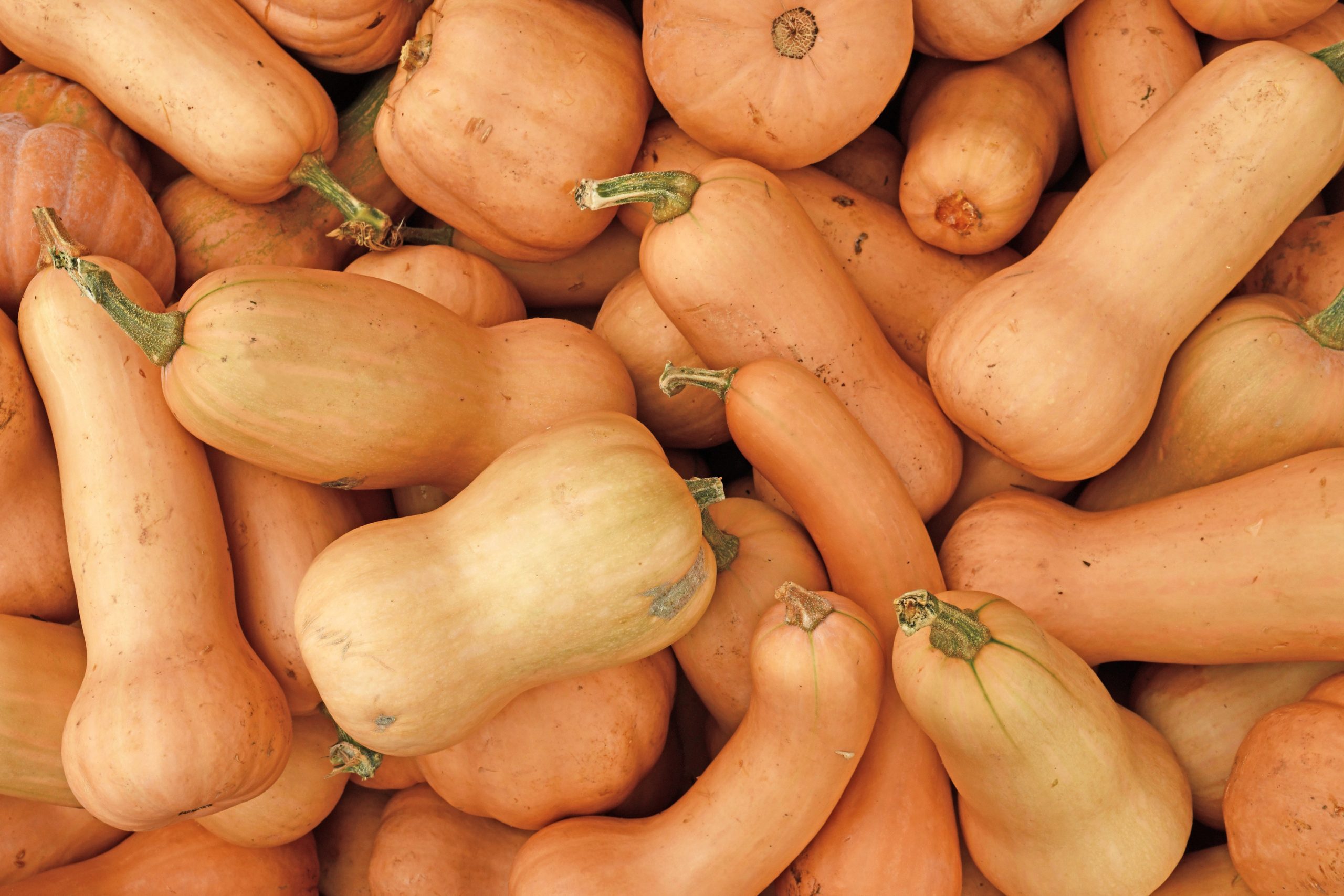
Top view of many Butternut squashes
Thanksgiving is a time for gathering, gratitude, and of course—great food. While turkey, stuffing, and mashed potatoes are staples, sometimes it’s fun to shake things up with a dish that surprises and delights your guests. Whether you’re hosting in your newly purchased home or just looking to add something fresh to your holiday spread, this recipe is a flavorful twist on tradition.
Today, I’m sharing one of my favorite non-traditional Thanksgiving dishes: Roasted Butternut Squash and Chickpea Curry. It’s warm, comforting, and packed with seasonal ingredients, but with a bold, unexpected flavor profile that brings something new to the table.
🥘 Roasted Butternut Squash and Chickpea Curry
Ingredients:
- 1 medium butternut squash, peeled and cubed
- 1 tablespoon olive oil
- Salt and pepper to taste
- 1 tablespoon coconut oil or butter
- 1 small onion, finely chopped
- 2 cloves garlic, minced
- 1 tablespoon fresh ginger, grated
- 1 tablespoon curry powder
- 1 teaspoon ground cumin
- 1/2 teaspoon turmeric
- 1/4 teaspoon cinnamon
- 1 can (15 oz) chickpeas, drained and rinsed
- 1 can (14 oz) coconut milk
- 1/2 cup vegetable broth
- 1 cup baby spinach
- Juice of half a lime
- Fresh cilantro for garnish
- Cooked basmati rice or naan for serving
Instructions:
- Roast the Squash
Preheat your oven to 400°F. Toss the cubed butternut squash with olive oil, salt, and pepper. Spread on a baking sheet and roast for 25–30 minutes, or until tender and lightly browned. - Prepare the Curry Base
In a large skillet or saucepan, heat coconut oil over medium heat. Add the chopped onion and sauté until translucent, about 5 minutes. Stir in garlic and ginger, cooking for another minute until fragrant. - Add Spices
Sprinkle in the curry powder, cumin, turmeric, and cinnamon. Stir well to coat the onions and release the spices’ aroma. - Add Chickpeas and Liquids
Add the chickpeas, coconut milk, and vegetable broth. Stir to combine and bring to a gentle simmer. Let it cook for 10 minutes, allowing the flavors to meld. - Combine and Finish
Add the roasted butternut squash and spinach to the curry. Stir until the spinach wilts and everything is heated through. Finish with a squeeze of lime juice and adjust seasoning as needed. - Serve and Enjoy
Spoon the curry over warm basmati rice or serve with naan bread. Garnish with fresh cilantro for a burst of color and flavor.
🌟 Why This Dish Works for Thanksgiving
This curry is a celebration of fall flavors with a global twist. The butternut squash adds sweetness and texture, while the chickpeas provide protein and heartiness. The spices bring warmth and depth, making it a perfect complement to more traditional dishes, or a standout main course for vegetarian guests.
Plus, it’s easy to prepare ahead of time and reheat, which makes hosting less stressful. For more creative Thanksgiving ideas, check out Bon Appétit’s non-traditional recipes https://www.bonappetit.com/or explore Food52’s vegetarian Thanksgiving guide.
🏡 Final Thoughts
As a real estate agent, I love helping people find the perfect home, but I also enjoy helping them make it feel like home. Sharing meals, creating memories, and celebrating holidays in your space is what homeownership is all about.
If you’re thinking about buying or selling, or just want to talk about how to make your home holiday-ready, I’m here to help. And if you try this recipe, I’d love to hear how it turns out!
Happy Thanksgiving—however you choose to celebrate!
Thank you for visiting my website and exploring around. If you need any assistance with real estate in the Boston Metro-West area and beyond, I am here to help.
If you would like more information about selling your home – click here
If you would like to learn about buying a home – click here
To start your home search – click here
Get Started with Ray Stockwell Today!
_________________________________________________________________________________
Some content on this blog may be generated or assisted by artificial intelligence (AI) tools. While we strive for accuracy and relevance, AI-generated material may contain errors or reflect limitations in current technology. All information is provided for general informational purposes only and should not be considered professional advice. Please use your discretion and consult appropriate experts when necessary.
Where Is the Real Estate Market Heading in the Final Months of 2025?

Where Is the Real Estate Market Heading in the Final Months of 2025?
As we enter the final stretch of 2025, many buyers, sellers, and investors are wondering: Where is the real estate market heading in the final months of 2025. After a year of fluctuating mortgage rates, shifting inventory levels, and cautious consumer behavior, the closing months of the year are offering both challenges and opportunities.
Here’s a look at the latest trends and expert insights to help you navigate the market with confidence.
Mortgage Rates Are Easing—But Slowly
One of the biggest stories in real estate this year has been the movement of mortgage rates. After peaking in 2024, rates have gradually declined in 2025, offering some relief to buyers. The Federal Reserve has already implemented two rate cuts in 2025. This has helped bring 30-year fixed mortgage rates down to the low 6% range. [forbes.com]
However, experts caution that rates may not fall significantly further in the short term. Affordability remains a concern, and many buyers are still waiting for more favorable conditions before jumping into the market.
Inventory Is Growing, But Buyer Activity Is Still Soft
According to Realtor.com’s October Housing Market Trends Report, active listings have increased for the 24th consecutive month, with inventory up 15.3% year-over-year. This means buyers have more options than they did a year ago. However, homes are spending longer on the market—an average of 63 days, which is five days longer than last year. [realtor.com]
Despite the increase in inventory, buyer activity remains subdued. Pending sales have slipped slightly, and many buyers are still hesitant due to economic uncertainty and affordability challenges.
Home Prices Are Stabilizing
Nationally, home prices have held steady. The median list price in October was $424,200, up just 0.4% from the previous year. However, regional differences are becoming more pronounced. Prices have declined in the South and West, while the Northeast and Midwest have seen modest gains.
J.P. Morgan’s 2025 Housing Market Outlook predicts that home prices will rise by about 3% overall this year, but growth will remain subdued. The market is expected to stay relatively flat through the end of the year, with no major price spikes or drops anticipated. [jpmorgan.com]
What This Means for Buyers and Sellers
If you’re a buyer, the final months of 2025 may offer a window of opportunity. With more homes on the market and slightly lower mortgage rates, you may find better deals—especially if you’re willing to negotiate. Sellers, on the other hand, should be realistic about pricing and prepared for longer listing times.
For both sides, working with a knowledgeable real estate agent is key. Understanding local trends, pricing strategies, and financing options can make all the difference in today’s market.
Final Thoughts
The real estate market in late 2025 is showing signs of stabilization. While it’s not booming, it’s also not collapsing. With more inventory, steady prices, and slowly easing mortgage rates, the market is offering a more balanced environment for buyers and sellers alike.
If you’re thinking about making a move before the year ends—or planning ahead for 2026—I’d be happy to help you navigate the market. Let’s connect and create a strategy that fits your goals.
Thank you for visiting my website and exploring around. If you need any assistance with real estate in the Boston Metro-West area and beyond, I am here to help.
If you would like more information about selling your home – click here
If you would like to learn about buying a home – click here
To start your home search – click here
Get Started with Ray Stockwell Today!
_________________________________________________________________________________
Some content on this blog may be generated or assisted by artificial intelligence (AI) tools. While we strive for accuracy and relevance, AI-generated material may contain errors or reflect limitations in current technology. All information is provided for general informational purposes only and should not be considered professional advice. Please use your discretion and consult appropriate experts when necessary.
The History of Halloween: From Ancient Rituals to Neighborhood Fun


🎃🏡The History of Halloween: From Ancient Rituals to Neighborhood Fun🏡🎃
Halloween is celebrated every year on October 31st. It’s one of the most popular holidays in the United States, known for costumes, candy, and festive neighborhood gatherings. But behind the jack-o’-lanterns and trick-or-treating is a long and fascinating history. Halloween has evolved over thousands of years, crossing cultures and continents. Learning about its origins adds meaning to the celebration and shows how traditions can bring people together—something real estate professionals understand well when building strong communities.
Halloween began more than 2,000 years ago with the Celtic festival of Samhain (pronounced “SOW-in”). People in what is now Ireland, the UK, and northern France celebrated the end of the harvest and the start of winter. They believed that on October 31st, the boundary between the living and the dead became thin, allowing spirits to return to Earth. To protect themselves, they lit bonfires and wore costumes to scare away ghosts. These early customs inspired many of today’s Halloween traditions, like dressing up and lighting candles or lanterns.
Source: History.com [history.com]
As Christianity spread across Europe, the Church replaced pagan festivals with Christian holidays. In the 8th century, Pope Gregory III named November 1st All Saints’ Day, also called All Hallows’ Day, to honor saints and martyrs. The night before became All Hallows’ Eve, which later turned into “Halloween.” This mix of traditions kept many Samhain customs alive, including honoring the dead and wearing costumes.
Source: Britannica.com [britannica.com]
Halloween came to America in the 1800s with Irish and Scottish immigrants. They brought customs like “guising,” where children dressed up and went door to door asking for food or coins. At first, Halloween in the U.S. focused on harvest festivals and community events. But by the early 1900s, it became more playful. Trick-or-treating started as a way to prevent pranks and mischief, offering candy to children in exchange for good behavior. After World War II, Halloween grew quickly thanks to suburban neighborhoods and a focus on family-friendly fun.
Source: National Park Service [history.li…nalpark.us]
Today, Halloween is a major holiday and a favorite in communities across the country. It’s a time when neighbors decorate their homes, host parties, and enjoy the festive spirit together. For real estate professionals, Halloween is a great example of how traditions can strengthen local connections and highlight the charm of a neighborhood.
📚 Learn More:
- Britannica: Where Did Halloween Come From? [britannica.com]
- History.com: Origins, Meaning & Traditions of Halloween [history.com]
- National Park Service: Halloween History [history.li…nalpark.us]
- British Council: History of Halloween for Kids [learnengli…ouncil.org]
Thank you for visiting my website and exploring around. If you need any assistance with real estate in the Boston Metro-West area and beyond, I am here to help.
If you would like more information about selling your home – click here
If you would like to learn about buying a home – click here
To start your home search – click here
Get Started with Ray Stockwell Today!
_________________________________________________________________________________
Some content on this blog may be generated or assisted by artificial intelligence (AI) tools. While we strive for accuracy and relevance, AI-generated material may contain errors or reflect limitations in current technology. All information is provided for general informational purposes only and should not be considered professional advice. Please use your discretion and consult appropriate experts when necessary.
Warm Up Your Home This Fall with Butternut Squash & Ginger Soup

As the crisp air settles in and leaves begin to fall, there’s nothing quite like the comfort of a warm, homemade soup to make a house feel like home. Whether you’re hosting an open house or enjoying a quiet evening in, this Butternut Squash and Ginger Soup brings seasonal warmth to your kitchen. Earthy squash and carrots meet the zing of fresh ginger and the richness of coconut milk in this creamy bisque. Best of all, it’s simple to prepare and perfect for sharing—whether with guests, family, or neighbors.
Ingredients
To get started, gather the following ingredients:
- 2 tbsp extra virgin olive oil (or butter)
- 2 cups chopped yellow onion
- 2 cups chopped carrots
- 2 tsp minced garlic
- 4 cups vegetable broth (or chicken broth)
- 8 cups butternut squash, peeled and cubed
- 1 tsp dried thyme
- 2 bay leaves
- 2 tbsp grated fresh ginger (or ½ tsp dried)s
- ½ tsp ground nutmeg
- 1 can (13.5 oz) unsweetened coconut milk (or ½–1 cup heavy cream)
- Salt and pepper to taste
- Fresh thyme for garnish
Instructions
Follow these steps to create a delicious, comforting soup:
- Begin by heating olive oil in a large soup pot over medium-high heat. Add onions, carrots, and garlic, and sauté until onions are translucent and carrots begin to soften.
- Once the vegetables are tender, stir in the broth, squash, thyme, bay leaves, ginger, and nutmeg. Bring the mixture to a simmer, cover, and cook until everything is fork-tender—about 10 to 15 minutes.
- After cooking, remove the bay leaves and blend the soup until smooth using an immersion blender or a traditional blender.
- Next, stir in the coconut milk or cream, and season with salt and pepper to taste.
- Finally, garnish with fresh thyme and serve warm.
Serving Suggestions
To elevate your meal, consider pairing this soup with crusty sourdough bread, a grilled cheese sandwich, or a seasonal kale salad. It’s a versatile dish that works well for both casual dinners and festive gatherings.
Storage Tips
If you have leftovers, store them in an airtight container in the fridge for up to 5 days. Alternatively, you can freeze the soup for up to 3 months. It reheats smoothly, making it a convenient option for busy weeknights or impromptu entertaining.
Other recipes for Fall:
📌 Original recipe inspiration: Butternut Squash and Ginger Soup – Grow Forage Cook Ferment
_______________________________________________________________________
Thank you for visiting my website and exploring around. If you need any assistance with real estate in the Boston Metro-West area and beyond, I am here to help.
If you would like more information about selling your home – click here
If you would like to learn about buying a home – click here
To start your home search – click here
Get Started with Ray Stockwell Today!
_______________________________________________________________________
Some content on this blog may be generated or assisted by artificial intelligence (AI) tools. While we strive for accuracy and relevance, AI-generated material may contain errors or reflect limitations in current technology. All information is provided for general informational purposes only and should not be considered professional advice. Please use your discretion and consult appropriate experts when necessary.
How to Choose the Right Neighborhood for Your Lifestyle | Home Buying Tips
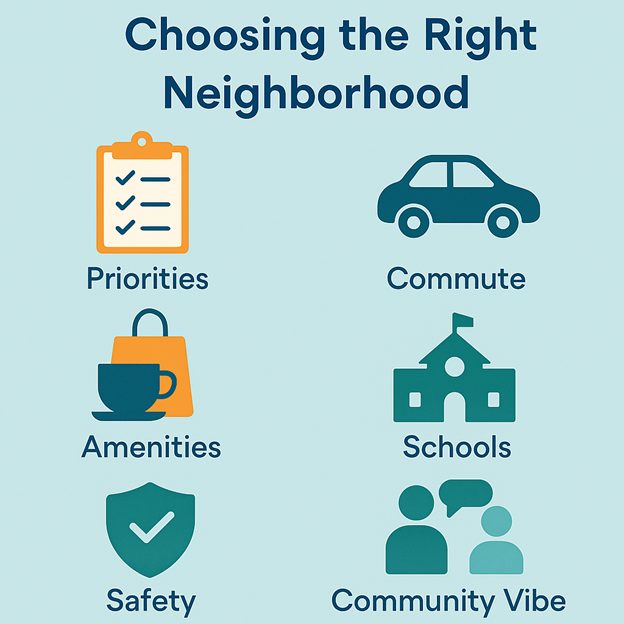
Buying a home is one of the biggest decisions you’ll ever make, and while the house itself is important, the neighborhood you choose can have an even greater impact on your happiness. Your neighborhood determines your daily routine, your sense of community, and even your long-term investment. So how do you find the perfect fit? Here are some practical tips to help you choose a neighborhood that matches your lifestyle.
- Start with Your Priorities
Before you begin your search, take time to define what matters most to you. Do you want a quiet, family-oriented area with parks and good schools? Or are you looking for a lively, walkable neighborhood with restaurants, shops, and entertainment? Make a list of your top priorities—such as safety, commute time, school quality, or access to amenities—and rank them. This will help you stay focused and avoid getting distracted by features that don’t align with your lifestyle.
- Consider Your Commute
Your daily commute can significantly affect your quality of life. If you work outside the home, think about how far you’re willing to travel each day. A shorter commute often means more time for family, hobbies, and relaxation. Use online maps or navigation apps to check traffic patterns during peak hours so you know what to expect.
- Explore Local Amenities
Think about the conveniences you use most often. Do you want to be near grocery stores, gyms, coffee shops, or medical facilities? If you enjoy outdoor activities, look for neighborhoods with parks, trails, or recreational centers. Proximity to these amenities can make your life easier and more enjoyable.
- Research Schools
Even if you don’t have children, the quality of local schools can impact property values and resale potential. Check school ratings online and, if possible, talk to local parents for firsthand insights. If education is a top priority for your family, this step is essential.
- Check Safety and Crime Rates
Feeling safe in your neighborhood is non-negotiable. Research crime statistics online and, if possible, visit the area at different times of day. Talking to current residents can also give you a sense of how safe they feel living there.
- Get a Feel for the Community
Every neighborhood has its own personality. Some are lively and social, while others are quiet and reserved. Spend time walking around, visiting local businesses, and attending community events if possible. This will help you determine whether the neighborhood’s culture aligns with your lifestyle.
- Think About the Future
Consider the long-term potential of the neighborhood. Are there plans for new developments, schools, or businesses? Growth can increase property values, but it can also bring more traffic and noise. Understanding future plans can help you make an informed decision.
Final Thoughts:
Choosing the right neighborhood is just as important as choosing the right home. Take the time to research, visit, and evaluate your options carefully. When your neighborhood fits your lifestyle, your home becomes more than a place to live; it becomes a place to thrive.
Spooky Real Estate Myths—Debunked!

Spooky Real Estate Myths—Debunked!
October is the perfect time to talk about things that go bump in the night—and in the real estate world, that often means myths and misconceptions that haunt buyers, sellers, and investors alike. As a seasoned real estate agent, I’ve heard it all: tales of cursed properties, impossible financing, and market monsters that scare people away from making smart moves. So let’s shine a light on some of the spookiest real estate myths and set the record straight.
Myth #1: You Need 20% Down to Buy a Home
This is one of the most persistent myths out there. While putting 20% down can help you avoid private mortgage insurance (PMI), it’s not a requirement. Many loan programs allow buyers to put down as little as 3%—and some even offer zero-down options for qualified applicants. First-time buyers, veterans, and rural homebuyers often have access to flexible financing. Don’t let this myth scare you away from exploring your options.
Myth #2: The Market Is Too Volatile to Invest Right Now
Real estate markets do fluctuate, but that doesn’t mean it’s always a bad time to invest. In fact, savvy investors know that opportunities often arise during periods of uncertainty. Whether it’s buying undervalued properties, flipping homes, or securing long-term rentals, there are strategies that work in every market cycle. The key is to understand your goals and work with a knowledgeable agent who can help you navigate the terrain.
Myth #3: Haunted Houses Are Impossible to Sell
Believe it or not, some buyers are actually drawn to homes with a spooky reputation. While disclosures about deaths or paranormal activity vary by state, most buyers are more concerned with the condition, location, and price of a property than its ghost stories. If a home has a history that makes you uneasy, it’s worth discussing with your agent—but don’t assume it’s unsellable.
Myth #4: You Should Always Wait for Spring to Buy or Sell
Spring is traditionally a busy season in real estate, but that doesn’t mean it’s the only time to make a move. Fall and winter can offer unique advantages: less competition, more motivated sellers, and faster closings. For investors, off-season purchases can mean better deals. For sellers, listing in October or November can attract serious buyers who are ready to act before the holidays.
Myth #5: All Real Estate Agents Are the Same
This one gives me chills. The truth is, your choice of agent can make or break your experience. A skilled, ethical, and experienced agent will advocate for your interests, negotiate effectively, and guide you through every step of the process. Don’t settle for someone who just opens doors—look for someone who brings insight, strategy, and professionalism to the table.
Real estate doesn’t have to be scary. Whether you’re buying your first home, selling a property, or investing in your portfolio, separating fact from fiction is essential. If you’ve heard a rumor or myth that’s making you hesitate, let’s talk about it. I’m here to help you make informed decisions and avoid the tricks while finding the treats in today’s market.
Selling Your Home in a Shifting Market: What Works Now

Selling Your Home in a Shifting Market: What Works Now
The real estate market is always evolving, and 2025 is no exception. Whether you’re a homeowner looking to sell or an investor evaluating your next move, understanding how to navigate a shifting market is essential. As a seasoned real estate agent, I’ve seen the highs, the lows, and everything in between—and I can tell you that success in today’s market requires strategy, flexibility, and a clear understanding of buyer behavior.
Understand the Current Climate
First, let’s talk about what’s shifting. Interest rates have fluctuated, inventory levels are adjusting, and buyer expectations are evolving. In some areas, demand remains strong, while others are seeing longer days on market and more price reductions. Sellers can no longer rely on the frenzied pace of previous years. Instead, they need to be intentional and informed.
Price It Right from the Start
One of the biggest mistakes sellers make in a changing market is overpricing. Buyers are more cautious now, and they’re doing their homework. If your home is priced too high, it may sit without offers, leading to eventual price cuts that can hurt your negotiating power. A well-priced home attracts attention, creates urgency, and often leads to stronger offers. I always recommend a comparative market analysis to determine a competitive price based on recent sales, current listings, and local trends.
Presentation Matters More Than Ever
In a slower or more balanced market, presentation becomes critical. Homes that are clean, well-staged, and professionally photographed stand out. Buyers want to envision themselves living in the space, and that’s hard to do if the home feels cluttered or outdated. Simple updates like fresh paint, modern lighting, and neutral décor can make a big difference. Curb appeal also plays a major role—first impressions matter.
Be Flexible and Responsive
Today’s buyers are looking for value, and they’re not afraid to negotiate. Sellers who are open to reasonable concessions—whether it’s covering closing costs, offering a home warranty, or adjusting timelines—often find smoother transactions. Flexibility doesn’t mean giving everything away, but it does mean being realistic and responsive to market conditions.
Market Strategically
Gone are the days of listing a home and waiting for offers to roll in. Now, marketing needs to be proactive and targeted. That includes high-quality online listings, virtual tours, social media promotion, and email outreach to potential buyers and agents. I also recommend hosting open houses and private showings to create buzz and build momentum. The goal is to reach the right audience with the right message.
Work With a Knowledgeable Agent
In a shifting market, experience matters. A skilled agent understands how to position your home, negotiate effectively, and adapt to changing conditions. We track local trends, monitor buyer behavior, and adjust strategies as needed. Whether you’re selling a primary residence or an investment property, having a trusted advisor by your side can make all the difference.
Selling in today’s market isn’t about luck—it’s about strategy. If you’re thinking about listing your home, let’s talk about what works now and how we can position your property for success. The market may be shifting, but with the right approach, your goals are still within reach.